Dental Treatment Under General Anesthesia: A Parent’s Guide

Hearing that your child needs dental treatment under general anesthesia can feel overwhelming. Most parents have questions right away about why it is necessary, whether it is safe, and what the day will look like. The good news is that for the right child, completing treatment while asleep can be the most comfortable and efficient path back to a healthy mouth, and understanding the process ahead of time makes it far less intimidating.
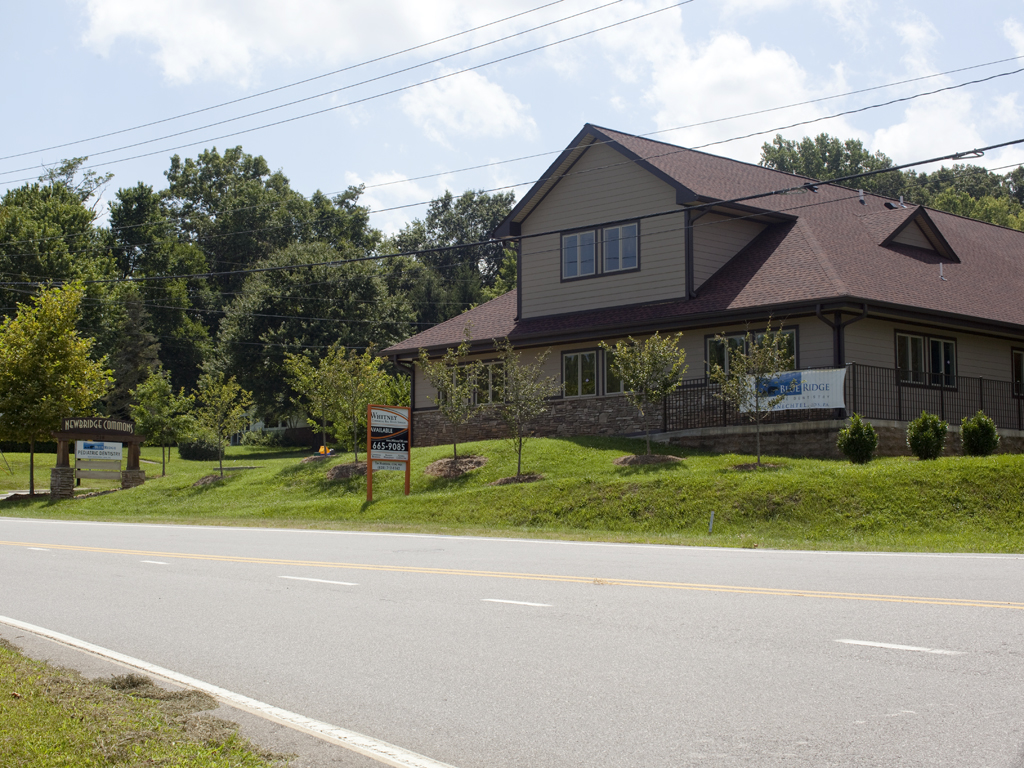
Dan Knechtel, DDS, has treated children under general anesthesia throughout his career as a pediatric dentist, including full-mouth restorations for children with extensive decay. He completed his pediatric dentistry residency at Yale New Haven Hospital, where hospital-based care is a core part of training, and he serves on the medical staff at Mission Hospital. At Blue Ridge Pediatric Dentistry in Asheville, he works with an anesthesiologist in the office so that each professional can focus on their own role.
Why Some Children Need General Anesthesia for Dental Care
Most children receive dental care while awake, with encouragement, clear explanations, and sometimes nitrous oxide or moderate sedation. General anesthesia is considered when those approaches are unlikely to allow safe, complete treatment. Common reasons include:
- Extensive decay that would require many separate appointments
- A very young age, when a child cannot yet sit still for longer procedures
- Significant fear or anxiety that other comfort options have not resolved
- Special health care needs or developmental differences that make treatment while awake difficult
- A strong gag reflex or other medical considerations
The decision is never automatic. Dr. Dan Knechtel reviews the diagnosis with parents, explains the treatment options, and decides on the plan together with the family. You can compare all of the available comfort options before making a choice.
Who Does What on Treatment Day
Two professionals share responsibility for your child’s care during treatment under general anesthesia, and their roles are distinct. The anesthesiologist evaluates your child’s readiness for anesthesia, provides the anesthesia, and monitors breathing, heart rate, and oxygen levels from start to finish. Dr. Dan Knechtel performs the dental treatment, which may include tooth-colored fillings, pediatric crowns, pulp therapy, or extractions, all completed in a single visit.
When a child needs a lot of work, getting it all done safely in one visit can spare them months of difficult appointments. Having an anesthesiologist focused entirely on keeping your child safe lets me focus entirely on the teeth.
— Dr. Dan Knechtel
How to Prepare Your Child
Preparation is one of the most important ways parents can help the day go smoothly.
- Health History and Physical: Your child’s pediatrician may need to complete a health history and physical exam before treatment, and the office will let you know what is required.
- Fasting Instructions: Follow the eating and drinking instructions you receive exactly. An empty stomach is essential to anesthesia safety, and treatment may need to be rescheduled if the instructions are not followed.
- Illness Before Treatment: Call the office if your child develops a fever, cough, congestion, or other illness in the days before the appointment, since a respiratory illness can affect anesthesia safety.
- Comfortable Clothing: Dress your child in loose, comfortable clothes and bring a favorite blanket or stuffed animal for the ride home.
- Simple, Calm Language: Tell your child they will take a special nap while the dentist helps their teeth. Avoid words like shot, needle, or hurt.
Recovery at Home
Most children are drowsy, fussy, or a little unsteady for the rest of the day, so plan to keep things quiet and stay close. Lips and cheeks may stay numb for a few hours, and children should be watched so they do not bite or chew on them. Start with clear liquids and move to soft foods as your child tolerates them.
Call the office if your child has persistent vomiting, a fever, or bleeding that does not slow with gentle pressure. If your child has difficulty breathing, is very hard to wake, or shows any other sign of a medical emergency, call 911 immediately.
Keeping Teeth Healthy After Treatment
Treatment repairs the damage, but it does not change the habits or conditions that caused it. Without changes at home, new cavities can form on teeth that were healthy at the time of treatment. Follow-up visits give Dr. Dan Knechtel a chance to check the restored teeth, apply preventive care such as fluoride and sealants, and work with you on brushing, diet, and bedtime routines that protect your child’s smile going forward.
Frequently Asked Questions About Dental Treatment Under General Anesthesia
All anesthesia carries some risk, which is why it is reserved for children who need it and managed by an anesthesiologist who reviews your child’s health history and monitors your child throughout. For healthy children, serious complications are uncommon. If your child is under age three, ask the anesthesiologist about timing, since the FDA has noted questions about repeated or lengthy anesthesia in very young children.
Under general anesthesia, children are fully asleep and do not feel or remember the dental work. Local anesthetic may also be used, so numbness can last a few hours afterward.
The length depends on how much treatment your child needs. Dr. Dan Knechtel will give you an estimate when you review the treatment plan.
Not always. Some children do well with nitrous oxide or moderate sedation spread over several visits. Learn more about behavior guidance and comfort options.
Talk With an Asheville Pediatric Dentist About Your Child’s Treatment
Every family deserves clear answers before a child’s treatment. If you have questions about general anesthesia or your child’s treatment plan, Dr. Dan Knechtel is glad to walk you through them. Schedule an appointment at Blue Ridge Pediatric Dentistry in North Asheville.
Medically reviewed by Dan Knechtel, DDS on