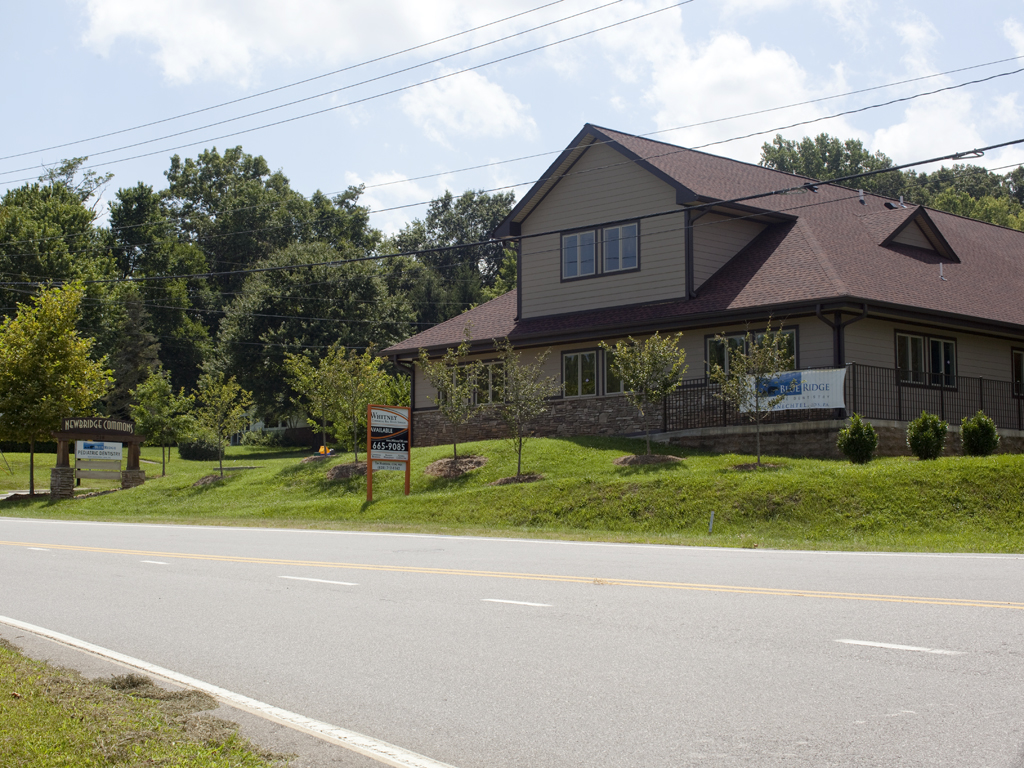
Age One Dental Visit in Asheville, NC
An age one dental visit is an early step in protecting your child’s teeth, even when you see no signs of a problem. It sets up a dental home and starts prevention before decay has a chance to begin.
5 Stars“Amazing pediatric dentist!! Dr. Dan is great and patient with the kids. All the staff are amazing and sweet.. my son has ADHD so he can be talkative and hyper and they still are patient and funny with him.. 10/10 recommend”Felica A.
5 Stars“Fantastic! Super charming, professional, efficient. My nervous little hypochondriac went in there terrified, and the calm, cool staff at BR pediatric dentistry set her at ease and pulled two teeth in what felt like seconds. Lovely miniature train set, as well! 10/10 would recommend!!!”Jeffrey S.
5 Stars“My boys are 5 & 7 so we have years of experience with Doctor Dan and his staff. We moved to Black Mountain 4 years ago but it’s worth the drive for our children to have a good dental experience. Always a great atmosphere, everyone goes above and beyond to make sure our children feel safe and comfortable. Doctor Dan not only did our sons dental surgery but also personally reached out to us to check on our son after he had surgery! That meant a lot! Great place, Maggie is just the cherry on top🐾”Jolea E.
Dr. Dan Knechtel has welcomed Asheville’s youngest patients since opening Blue Ridge Pediatric Dentistry in 2011. His pediatric dentistry residency at Yale New Haven Hospital and his certification by the American Board of Pediatric Dentistry prepared him for exactly this stage, when teeth are just arriving and habits are still forming. He follows the shared recommendation of the American Academy of Pediatric Dentistry, the American Academy of Pediatrics, and the American Dental Association that every child be seen by their first birthday.
At age one, I am mostly looking for early warning signs and helping parents get a good routine started. Those first habits carry a long way.
— Dr. Dan Knechtel

Why Schedule a Dental Visit by Age One?
The American Academy of Pediatrics, American Academy of Pediatric Dentistry, and American Dental Association recommend a child’s first dental visit by age one. Teeth become susceptible to decay as soon as they erupt. Waiting until your child has pain or visible damage can mean missing an opportunity to identify concerns earlier.
An age one dental visit is preventive and educational. Your child does not need a full set of teeth or a suspected cavity to benefit from an examination. Early dental care can help prevent problems, support healthy teeth, and give you practical guidance while feeding and brushing habits are still taking shape.
Establishing a Dental Home Early
A dental home is a continuing source of oral health care for your child. Establishing that relationship early gives you somewhere to turn for routine prevention, questions about development, and dental concerns as your child grows. The goal is ongoing care rather than visits only when something hurts.
Keep a record of your child’s dental visits, home-care recommendations, and changes you notice as teeth emerge. Use that record to prepare questions for future preventive visits and to track which daily habits need attention. Regular contact also gives your child opportunities to become familiar with dental care.
Baby Teeth and Early Childhood Caries
Baby teeth matter even though they will eventually fall out. Healthy baby teeth support chewing, speech development, and space for permanent teeth. Decay in these teeth can cause discomfort and infection, so early prevention deserves attention from the time teeth appear.
Early Childhood Caries is tooth decay in young children. Formerly called baby bottle tooth decay or nursing caries, it is not limited to a particular feeding method. Frequent exposure to sugars, including those in drinks and foods, can contribute to decay. Discuss bedtime feeding, sipping habits, and tooth cleaning with your child’s dentist rather than waiting for a visible cavity.
What an Early Dental Visit Can Address
An early examination generally gives a dentist an opportunity to look at the teeth, gums, and oral development. The dentist can assess signs of decay and factors that affect cavity risk. The exact examination and preventive care depend on your child’s needs and ability to participate.
Bring questions about teething, brushing, feeding, fluoride, or anything unusual you have noticed. Share relevant health information, medicines, and any difficulty your child has with mouth care. Ask what the findings mean and which home-care changes deserve your attention first.


Beginning a Prevention Program
A comprehensive prevention program combines professional examinations, preventive care, and daily habits at home. We offer cavity risk assessment, dental cleanings and exams, fluoride treatments, and growth and development monitoring. Discuss which preventive services are appropriate for your child rather than assuming every service is needed at the first visit.
Prevention should reflect your child’s current teeth, eating patterns, health, and home-care routine. Ask the dentist how these factors affect the recommended care and when to return. Early examinations and prevention can help reduce the chance that a dental problem will progress before it is noticed.
Building Habits for Emerging Teeth
Daily mouth care starts early, with you doing the cleaning your young child cannot yet manage. Clean emerging teeth gently with a soft toothbrush, and ask about an age-appropriate amount of fluoride toothpaste. Make brushing part of a predictable routine rather than waiting until your child can brush independently.
Food and drink habits also affect oral health. Limit frequent sugary exposures, avoid putting sweetened drinks in a bedtime bottle, and discuss feeding-related concerns with your child’s dentist. We offer nutrition and home care for kids, as well as infant oral care and teething services. Bring up any routine that is difficult to maintain so it can be part of the dental conversation.

Why Choose Blue Ridge Pediatric Dentistry?
Bringing a one-year-old to the dentist is a new experience for most parents. Here is what families appreciate about starting with us:
- Early, Gentle Exams: Dr. Dan Knechtel checks emerging teeth for early signs of decay with a quick, gentle exam.
- Guidance for Real Life: Practical advice on bottles, nighttime feeding, teething, and brushing a toddler’s teeth.
- A Dental Home From the Start: Your child can stay with the same dentist through the teen years.
- Parents Stay Close: You are invited to stay with your child throughout the visit.
Questions About the Age One Dental Visit
Yes. The recommendation for a first dental visit by age one applies even when only a few teeth have erupted. Those teeth can develop decay, and an early visit is also a chance to discuss oral development and daily care.
No. An age one dental visit is intended for prevention, not just treatment of symptoms. If you notice pain, swelling, a tooth injury, or a concerning change in the mouth, contact a dentist promptly rather than waiting for a routine visit.
Dr. Dan Knechtel reviews your child’s health history, gently examines the teeth and gums, and checks for early signs of decay. He then shares guidance on brushing, feeding, and teething. X-rays are taken only if needed, and parents are invited to stay.
Use fluoride toothpaste as soon as the first tooth appears, with a smear about the size of a grain of rice until age three. That small amount helps protect enamel while limiting how much your child swallows.
They can. Milk, formula, and juice left on the teeth for long periods, especially overnight, raise the risk of Early Childhood Caries. Avoid putting your child to bed with a bottle of anything other than water, and clean the teeth before bedtime.
Schedule an Age One Dental Visit in Asheville
Contact Blue Ridge Pediatric Dentistry to schedule an age one dental visit in Asheville, NC. Begin preventive dental care for your child and bring your questions about emerging teeth, feeding habits, and daily mouth care.
Medically reviewed by Dan Knechtel, DDS on